
We understand your profound committment to your children's education. You want them to excel not just in exams, but in life. The pursuit of effective learning methods is constant. We often hear questions about knowledge retention. How can our children truly remember what they study? How can they move beyond rote memorisation? The resolution is in a contemporary educational framework: Multi-Modal Learning.
This whole concept is utterly transforming how pupils engage with new knowledge. It takes us beyond the old-fashioned, chair-and-desk teaching model. It smartly engages several different senses to build much stronger routes for memory. Simply reflect on how easy it is to recall that very favourite song, or perhaps a distinct smell from your own childhood. This power comes from engaging multiple sensory inputs. Multi-modal learning applies this principle to academics. It helps students understand concepts more deeply. This method prepares them for a complex world. This is the foundation of the education we offer.
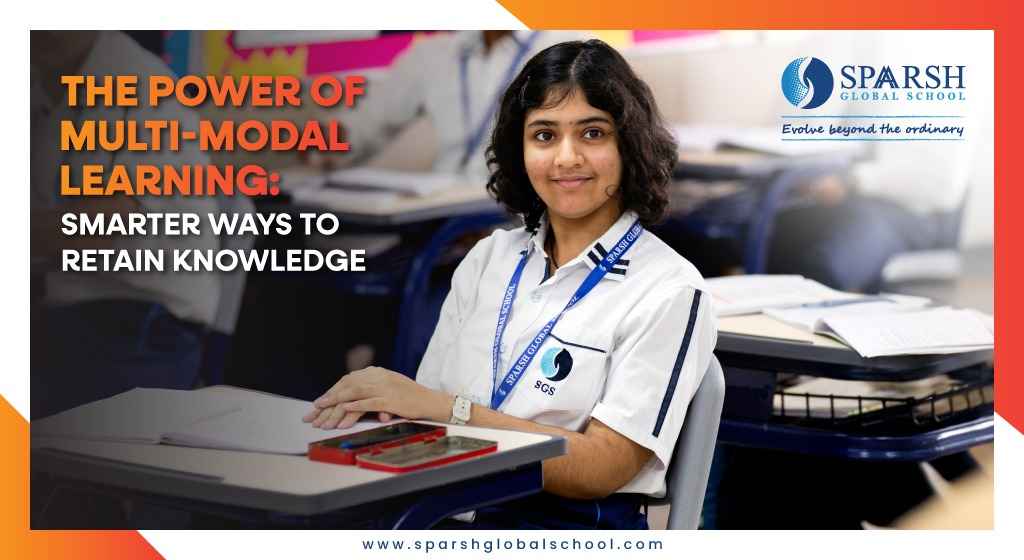
What exactly is Multi-Modal Learning?
Multi-modal learning simply means learning through more than one sensory channel. It's about using sight sound touch and movement together. It recognises that every student is unique. Each child processes information differently. Some are visual learners. Others learn best by listening. Many benefit from hands-on activities. A truly effective classroom uses all these methods. This ensures every student has a pathway to understanding. It's about diversifying the learning experience.
Why is Multi-Modal Learning More Effective?
Conventional teaching often places too much emphasis upon just listening and reading. It relies rather heavily only on instruction, whether spoken or written down. This only taps into a few learning styles. Multi-modal learning, by contrast, creates multiple 'hooks' for the memory.
- When a student reads about the solar system (visual)
- listens to a lecture (auditory)
- builds a model of the planets (kinaesthetic)
- and discusses their findings (verbal)
This information is processed in several parts of the brain. These multiple and complex neurological connections help forge a memory that is far richer, truly more durable. It successfully turns very abstract ideas into things students can actually experience and touch. This isn't just about fleeting, temporary recall. It’s about achieving long-term knowledge retention. Research consistently shows that engaging multiple senses improves comprehension, but also recall.
Multi-Modal Learning in the Classroom
How does this look in practice for your children? At Sparsh Global School, this approach is integrated across all subjects. Consider Science classes. Students aren't just reading about a chemical reaction. They are performing a safe experiment. They are seeing the change with their eyes. They are recording the results by hand. In Mathematics, abstract problems come alive. Students use manipulatives or interactive software to solve them. This transforms numbers into concrete objects. History lessons move beyond textbooks. Students might engage in role-play or create historical timelines. They might even spend time constructing small, detailed models of ancient cities. In English lessons, techniques such as drama, perhaps acting out a scene, and the simple act of reciting poetry aloud turn into remarkably powerful, effective tools. These sorts of methods appeal directly to the wonderfully varying intelligences present among students. They make the whole learning process engagingly dynamic and thoroughly memorable.
Empowering Children for the Future
This precise style of learning does so much more than simply boost grades on a report card. It directly cultivates those crucial 21st-century skills. Pupils naturally evolve into much more effective problem-solvers. They actively develop far stronger abilities for critical thinking.They gain the skill to transmit their thoughts effectively through a range of different media. Multi-modal learning organically encourages both adaptability and, critically, creativity. These are essential attributes for success in higher education and future careers. It moves learning from passive reception to active construction. It teaches students how to learn, which is the most valuable skill of all. We believe this is the smart way to retain knowledge. It is what guarantees that the education your child gets is both immediately relevant and genuinely enduring for years to come.
Partnering with Parents for Success
You, naturally, play an absolutely essential part in cementing this whole approach at home. Please encourage your children to try explaining what they’ve learned out loud to you. Ask them, maybe, to sketch out a diagram or prepare a concept map for subjects they find tricky, like Biology or Physics. Should they be having a tough time with Geography, gently suggest constructing a three-dimensional map model. Even simple things help. Playing calming background music while they study can engage their auditory sense. These simple activities strengthen the multi-sensory connections established at Sparsh Global School. Your keen, active participation effectively closes the loop between the school and the home environment. At the best school Greater Noida, it ensures the learning experience is totally and beautifully cohesive, creating a seamless connection that supports every child’s growth.
Conclusion
Our solemn dedication to delivering an education that is effective and truly holistic remains absolutely paramount. Multi-Modal Learning stands as the genuine cornerstone of this entire philosophy. It’s a completely evidence-based method that confirms our students don't just briefly encounter knowledge, but they actually grasp and then retain it for their entire lives. This up-to-the-minute teaching style, this pedagogy, genuinely empowers your children to become highly confident individuals. They mature into adults who are both wonderfully adaptable and consistently intellectually curious. We take immense pride in delivering this advanced level of education right here at Sparsh Global School. We truly look forward to sustaining this crucial partnership with you, for the sake of your child's very bright future.
FAQs
Q1. What is multi-modal learning?
Ans: Multi-modal learning is a teaching approach that uses different learning methods such as visuals, audio, reading, writing and hands-on activities. It helps students understand concepts better and remember them for a longer time.
Q2. How can I tell if my child is benefiting from multi-modal learning?
Ans: You will observe your child showing increased engagement and deeper understanding. They will be able to explain concepts in their own words, not just repeat definitions. They will also show less frustration with complex subjects and be more eager to participate in hands-on activities.
Q2. Is multi-modal learning just for younger children, or is it effective for older students too?
Ans: Multi-modal learning is highly effective across all age groups. While it is foundational in early years, it remains crucial for older students studying complex subjects like Chemistry or Economics. For teenagers, it often involves discussions, debates, visual aids like presentations and practical real-world applications of their learning.