


Parents today are more conscious than ever of the qualities their children will need to succeed in tomorrow’s world. Academic results will always matter, but grades alone no longer guarantee success. Employers, universities and even community leaders are looking for individuals who can inspire, organise and adapt. In short, they want leaders.
Leadership isn't really about grabbing some big title or bossing people around. It's more about being a people's person, leading by example and holding ground in the face of challenges. 2025 has been about teaching children leadership skills and shaping them into leaders of tomorrow. And to get ready for all these, schools matter a lot. They create opportunities for children to grow that go past just sitting in class and textbook knowledge.
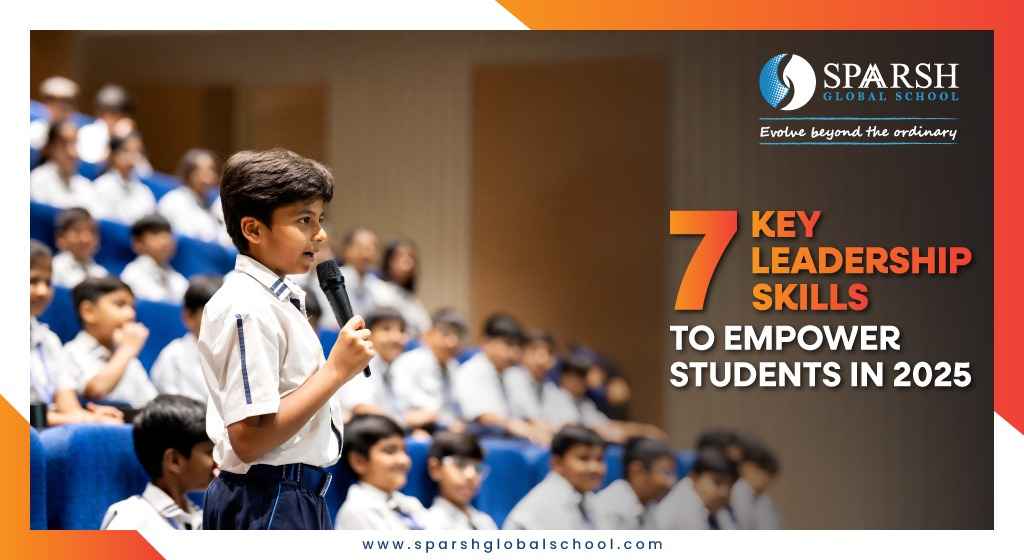
Here are seven skills on leadership that students are mentored in
1. Communication fires up passion
Speaking clear and sure is right in the middle of leading. Children have to figure out how to share their thoughts and listen with their heart when others talk. And tweak their communication depending on their audience. Whether it is giving a presentation in class, leading a group project or addressing a larger audience, these moments build self-assurance. Parents often notice that children who practise public speaking or participate in debates gain a stronger voice and clearer thinking.
2. Emotional Intelligence
Academic intelligence alone is no longer enough. Emotional intelligence means getting a handle on your own feelings and picking up on what others are going through. This stands out as a key attribute for leaders now. Students pick up resilience when they handle arguments with some real empathy and respect. That approach lets them build stronger connections. Those ties really count in everyday life and on the job.
3. Decision-Making Under Pressure
2025 calls for anticipating risks, making plans to mitigate them and executing with precision. Students need to decide things on the spot. They have to think about the risks and what might happen next. Schools do a good job pushing problem-solving exercises, simulations, even club leadership spots. All this builds skills without forcing them. Parents who see their children take responsibility for choices—whether small classroom tasks or larger projects—often notice a boost in maturity and confidence.
4. Collaboration and Teamwork
Leadership is never about working alone. Strong leaders bring people together, build trust and help groups perform better. Team projects, community activities and sports all create opportunities for students to work with others. They learn how to lead when needed and how to follow when required. This balance really turns children into all-around leaders, ready for the future.
5. Creativity and Innovation
Leaders for tomorrow have to solve problems in ways that push past the usual limits. Creative thinking lets students spot chances even when everyone else just sees roadblocks. Innovation is cultivated, out-of-the-box thinking is fostered. Parents who push creativity around the house watch their children gain boldness to experiment.
6. Adaptability in a Changing World
The future is dynamic and leadership of tomorrow requires agile people Tech moves quick, economies flip around, social norms evolve. Children need that adaptability, to battle obstacles and challenges and still come out strong amidst all the unknowns. CBSE schools in Greater Noida do a great job here especially, since students figure out daily routines on their own, juggle schoolwork with extracurriculars, and get used to sharing space with diverse people.
7. Ethical Leadership
With so many options out there these days, integrity is what really marks true leaders. Students pick up on why honesty counts, along with fairness and owning up to things. Schools big on teaching values make sure children build a clear grip on good versus bad. Parents hope their children not just win big, but stay real and kind through it all. Ethical leadership keeps success from meddling with core principles.
Why These Skills Matter
Studies point out how leadership abilities ramp up job chances, toughness and belief in yourself. Even better, they gear up students to step into adulthood on their own, leading teams, fixing issues and adding real value to the world around them. Sure, good grades lead to good opportunities. But these skills decide just how much ground you cover after that.
At Sparsh Global School, children work on these traits right next to their regular classes. Things like workshops on talking things out, or taking charge in clubs and sports teams, all give every student a shot at growing that inner strength, bounce-back power and real direction in life.
Conclusion
Leadership in 2025 is going to need way more than just tech know-how or knowledge from books alone. It calls for real communication, empathy, the ability to adapt and integrity. Children who pick up on these things early on end up ready to handle tough situations, grab chances when they come and get others motivated too.
Sparsh Global School sets up a place where children build leader qualities every single day. Parents picking this school for their children let them grow beyond just school walls. They turn into sure-footed leaders set for whatever the dynamic world offers next.
FAQs
Q1: Can leadership skills be taught to every student?
Ans: Yes. Leadership is not just an inborn trait. With the right environment, opportunities and guidance, every student can develop qualities such as confidence, empathy and problem-solving.
Q2: How can parents support leadership development at home?
Ans: Parents can encourage decision-making, involve children in family discussions and support activities that build responsibility. Simple practices like allowing children to manage their schedules or lead small tasks build leadership gradually.