


Life in the modern world feels both frantic and loud. Our children face constant distraction from flickering screens and social demands. This relentless background noise makes it incredibly hard for students to properly focus on their academic studies. We know that you, the parents, constantly worry whether your child can genuinely maintain focus and manage stress well. To get consistently strong results, a student needs more than just clever lessons. They truly need a calm, focused mind. This is the exact reason we are bringing mindful learning practices into our school setting.
Mindfulness, let us assure you, is not a passing educational trend. It is a scientifically backed collection of methods that actively train the brain for better attention, stronger emotional control and overall well-being. This technique helps students manage the high pressure of exams and all their extracurricular activities. Our committment is to developing the whole child. Our ultimate aim is to give them the mental toughness they need for success, both within the school walls and long after they leave.
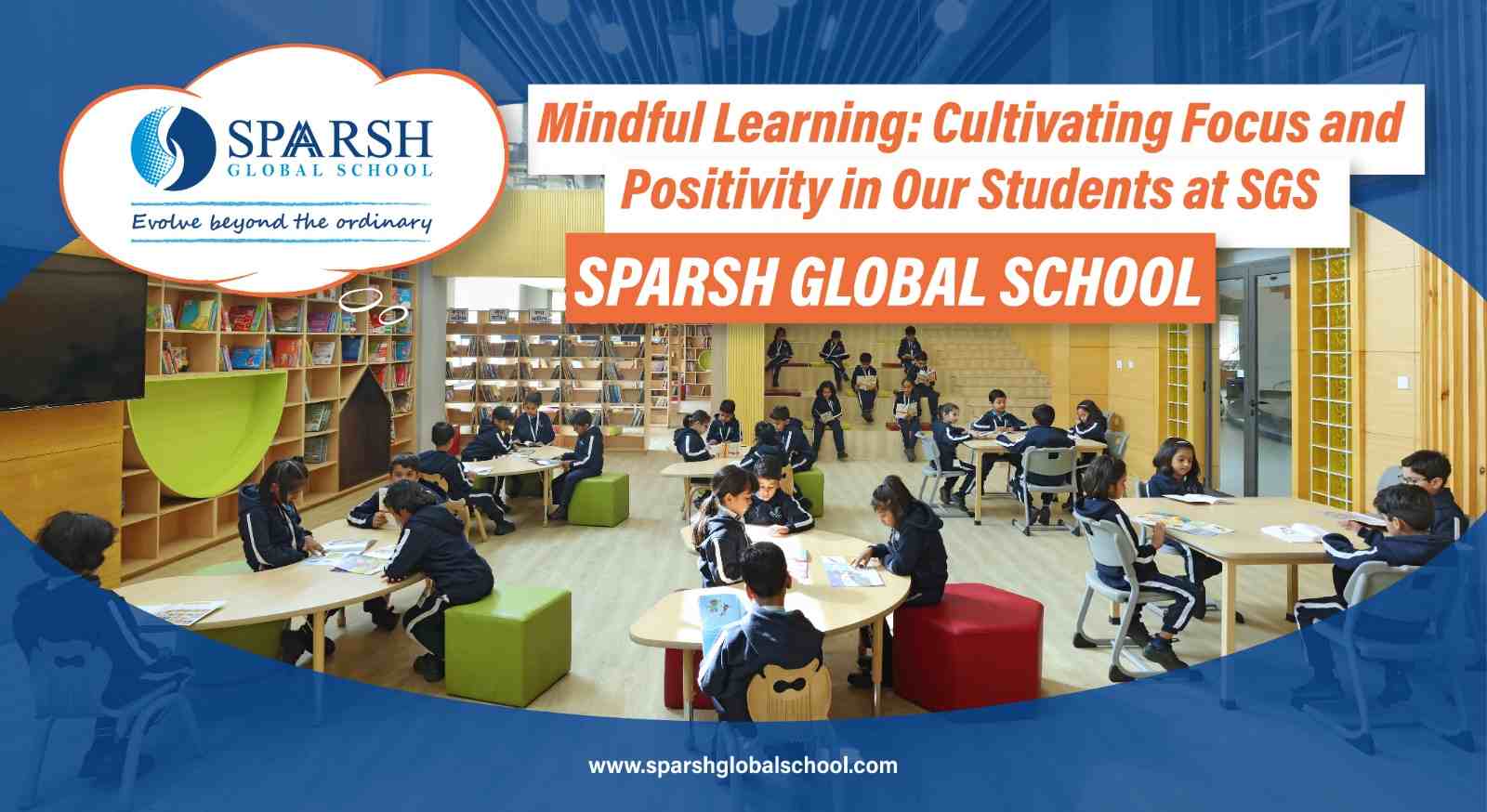
What Exactly is Mindful Learning?
Mindful learning is fundamentally about teaching children to pay attention deliberately to the specific present moment. They learn to notice their thoughts and feelings without immediately judging them. It is a very direct form of mental training. We are not asking students to magically empty their minds. That is actually impossible. Instead, we teach them simply to observe their busy minds, but not to get completely carried away by every thought that passes.
This practice uses several very simple techniques:
- Focused Breathing: Students learn to anchor their attention on the physical sensation of their breath. This provides a quick method to restore calm and re-establish focus during a stressful moment.
- Body Scan: They learn to notice physical sensations all through their body. This practice helps children identify and release hidden tension they may not even know they are holding.
- Mindful Listening: This skill is crucial within the classroom setting. Students learn to focus completely on the teacher’s words or a classmate's comment. They do this without pre-planning their own thoughts or response.
This focused attention enables children to tackle a tough Mathematics puzzle or a challenging Science experiment with a clearer head and greater calm.
The Academic Payoffs of Increased Focus
The most immediate gain from mindfulness is noticeably better concentration. A mind that focuses properly learns with increased efficiency. When a student is truly present in their learning, their ability to remember and process information improves dramatically.
Here is how learning mindfully directly affects school performance:
- Better Attention Span: Using short mindfulness pauses during long sessions immediately refreshes the student's concentration. This helps them absorb information more deeply during their History or English lessons.
- Reduced Test Anxiety: Mindfulness teaches effective emotional regulation. Students are taught that anxious feelings, though strong, will pass. Importantly, they learn that these feelings should not dictate their behaviour. This crucial change in viewpoint effectively reduces the intense stress frequently experienced right before an exam.
Enhanced Critical Thinking:
A mind that is not cluttered with worry becomes significantly better at processing very complex ideas. Students find that they can approach Problem-Solving and Creative Writing with far more mental clarity, reducing inner distraction.
The main objective is moving students from just absorbing information passively to actively engaging. They become fully alert and ready to receive, then process, every new concept presented.
Cultivating a Culture of Positivity and Empathy
Mindfulness does not just stop with one child's focus. It seriously impacts the entire feeling—the social and emotional atmosphere—of the school. At an international school in Noida Extension, when students gain a better grasp of their own emotions, they naturally become more tuned in to how others are feeling. This creates a more empathetic, connected, and emotionally balanced learning environment for all.
This simply leads to a more positive place for everyone:
- Improved Conflict Resolution: Students who regularly practise mindfulness become much more skilled at pausing before they jump to a reaction. This necessary halt allows them to pick a thoughtful answer instead of a rushed one, which helps them sort out disagreements calmly.
- Increased Empathy: They start to recognise that everyone deals with similar human challenges.This understanding helps build stronger connections between students. It also reduces issues like social isolation or actual bullying amongst peers.
- Fostering Gratitude: Very simple mindful activities encourage children to actually notice and value the small, positive things that happen during their day. This sincere focus on what is good genuinely helps build an enduring sense of optimism and general happiness.
We are truly proud to make these key values part of the daily life and atmosphere at Sparsh Global School. This committment to holistic development is key to nurturing responsible, compassionate citizens.
Practical Integration in the School Day
Mindful learning is not an additional subject we teach. It is integrated very smoothly into our daily schedule. We work these methods into the everyday timetable. We use ways that are easy and do not interrupt the flow of the day.
Examples of how we fit this in are:
- Start-of-Class Rituals: Teachers quite often start a lesson, especially before something demanding like Chemistry, with only a minute of quiet, steady breathing. This action brings everyone into the moment, fully prepared to start learning.
- Transition Activities: Between subjects, we might do a short stretch or a quick awareness exercise. This helps the brain shift focus efficiently and properly prepare for the upcoming lesson.
- Mindful Movement: When students are in Physical Education, they are prompted to genuinely feel what their bodies are doing and sensing. This is a direct link between physical activity and being mentally present.
These brief, consistent practices build up over time. They establish lasting mental disciplines that will benefit students well beyond their final day in school.
Partnering with Parents for Lasting Change
Mindful learning is significantly more effective when those practices are also reinforced back at home. We really encourage parents to try some basic mindfulness techniques alongside their children. Please know that you certainly do not need to spend hours sitting on a cushion.
Here are ways you can encourage mindful habits at home:
- Mindful Mealtimes: Try suggesting that all screens are turned off during the evening meal. Encourage everyone to really notice the different smells, tastes and textures of the food they are eating.
- Digital Detox: Establish specific technology-free areas or set aside certain times, perhaps one full hour before sleep. This small change greatly improves the quality of sleep. Good sleep is fundamental for solid mental health.
- Listen Actively: When your child comes to you with a worry or problem, try hard to listen without jumping in or immediately offering a solution. Simply acknowledge and validate the feeling they expressed first.
Mindfulness is certainly a personal exploration. It does require real patience. The brain needs a reasonable amount of time to adjust itself for consistent focus.
Conclusion
In conclusion, success in a very competitive world today depends significantly on a student’s ability to stay focused and to manage their emotional well-being. By carefully introducing mindful learning techniques, we are providing our children with essential skills like attention, resilience and true empathy. This thoughtful strategy truly ensures our children develop fully in every way. The good effects of this mental training will certainly benefit them long after they leave Sparsh Global School. It prepares them to approach life’s inevitable challenges with much greater calm and optimism.
FAQs
1. Is mindful learning a science-based practice?
Mindful learning as taught in schools, is entirely secular. It is a science-backed, evidence-based mental exercise focused on cognitive and emotional regulation. It is a training technique, like strength training for the brain, to improve focus, reduce stress and enhance performance in all academic and social settings.
2. How can I measure the positive effect of mindfulness on my child's learning?
You may notice several changes, though they are often subtle. Look for improved concentration on homework, fewer emotional outbursts over minor issues and better sleep habits. Academically, you might observe a decrease in test anxiety and a greater willingness to persevere when faced with challenging subjects, because they have better tools to manage the associated stress.