


The introduction of technology integration in studies, such as coding and robotics, has resulted in a paradigm shift in how learning occurs. Education, career and even personal lives have become so ingrained in technology, that it’s a no-brainer that children should be introduced to these subjects from an early age.
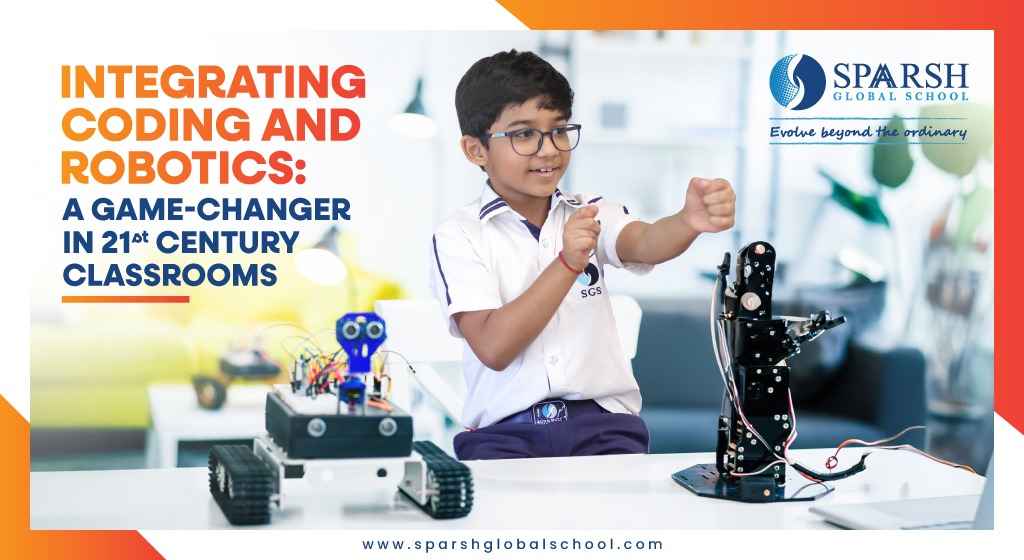
The Importance of Coding and Robotics in Education
1. Improving Problem-Solving Skills: When learning to code and work with robotics, students are required to utilise analytical and critical thinking skills. Robot building and programming also allow students to master not only logical thinking skills, but also computational thinking skills. These learning experiences enable students to solve large and complex problems by breaking them down into smaller, manageable pieces. The game and robot design activities enable students to develop the skills necessary for troubleshooting, thereby allowing them to streamline processes that will be useful in most real-life situations.
2. Promoting Creativity and Innovation: Through robotics education, students have the opportunity to showcase their creative skills. Students can create interactive digital applications (such as games) and develop functional robots that can complete specific machine functions using programming tools. When engaged in such activities, students also develop creative problem-solving strategies, as they are compelled to think outside the box to design unique projects. The creativity of students enables them to become techno-inventors as well as experts in solving problems, thereby contributing to technological advancements.
3. Developing Confidence and Resilience: Coding and robotics offer one of the most outstanding life skills, which is the ability to persevere. Learners require patience and resilience to attain effective debugging and enhancement of robot mechanisms. Students also develop a growth mindset and gain confidence through this experience because their work is transformed into practical projects.
4. Building Collaboration and Teamwork: In developing robotics systems, students must work as a team throughout the entire process of generating programming structures, including design, programming and testing. Along with communication and leadership, teamwork is also learnt as students define their ideas and hear other students articulate their ideas. It is through such learning experiences that students are prepared to enter the professional workplace, where collaborative efforts can lead to innovation and success.
5. Training for Future Careers: Technology training is now a significant requirement in the job market, as businesses operate in a dynamic environment. According to current industry trends, software development, along with artificial intelligence, data science and robotics engineering, is expected to witness a significant boost. The introduction of coding and robotics to educational institutions at an early age gives students a competitive edge in seizing the future. Even with students pursuing non-technical professions, such as healthcare and finance, those who learn the basics of programming and automation at schools in Greater Noida West have an advantage that can help them excel in any career.
6. Improving Digital Literacy: The current technology-dominated world needs students to be digitally literate. Students have the opportunity in new-age schools to experiment with new methods of technology use, as they transform them into producers of innovative technologies, rather than merely consuming digital content. They take ethical decisions based on the implementation of digital resources, such as cybersecurity, data privacy management, and responsible digital communication behaviour.
Implementing Coding and Robotics in Schools
Introduction of these subjects at a young class becomes necessary to ensure that all students benefit from the advantages of coding and robotics. Schools may accomplish this by:
- Introducing students in primary school to the coding experience by use of programming languages (Scratch and Python) through primary age-appropriate levels.
- Learning experiences that involve hands-on robotics activities.
- Establish an after-class school system that involves coding club contests to enable students to improve their knowledge of programming skills.
- Schools have an opportunity to engage students in practical work on coding and applied robotics through collaboration with technology companies.
Conclusion
Young learners who learn how to code, build robots, acquire problem-solving, creative abilities and resilience. They develop the skills necessary for career paths in a technology-driven future society. Through the adoption of coding and robotics, schools help students become innovators, critical thinkers and digital-age leaders.
At Sparsh Global School, a strong emphasis is placed on preparing our children for the 21st century by designing their curriculum with a future-focused approach, incorporating coding and robotics. Sparsh Global School is investing in nurturing leaders who will drive innovation through its revolutionary learning methodologies.
FAQ
1. What resources are needed for schools to implement coding and robotics programmes?
Schools require age-appropriate programming software, robotics kits, trained educators and access to technology, such as computers and tablets, to create an engaging learning environment.